Loading...
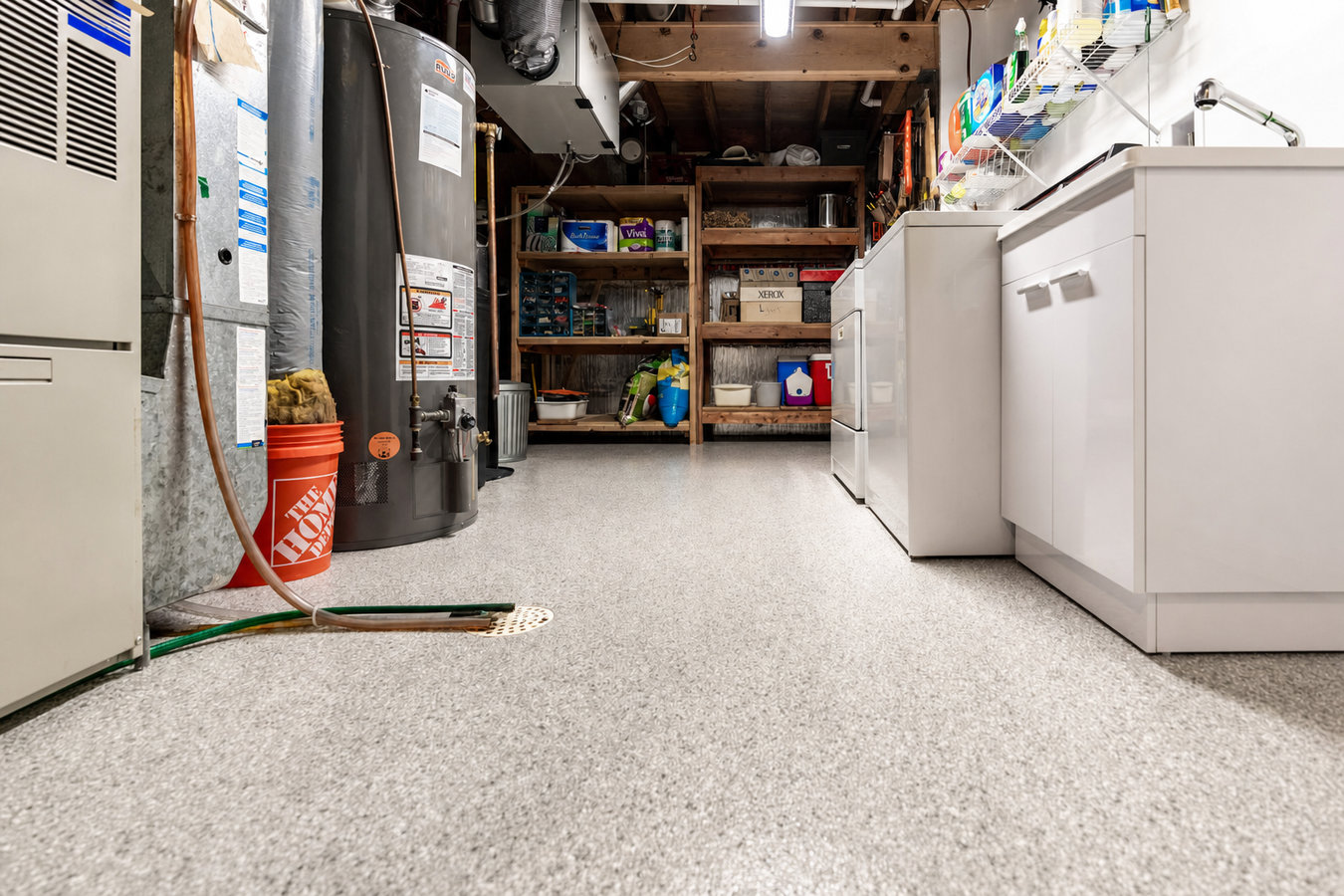
An unfinished basement floor collects dust, holds moisture, and stays unusable. We seal, coat, and polish Lodi basement slabs so your space is actually livable - from day one.
Basement flooring in Lodi starts with the existing concrete slab - what we do is either finish that slab directly or install a new surface on top of it. Most residential basement projects involve grinding the surface, repairing cracks, and applying a sealer or coating that protects against moisture and makes the floor easy to clean. A standard basement job typically runs one to two days once the space is cleared, plus cure time before you can move back in.
The condition of your existing slab determines which finishes are realistic. Older Lodi homes - many built between the 1940s and 1970s - often have slabs with minor settling cracks, surface contamination, or uneven spots from decades of use. These can almost always be corrected before a finish goes on. The first step is always a thorough assessment, not an assumption. Proper preparation also connects to our concrete grinding and surface preparation service, which we handle in-house before any coating is applied.
For basements where the slab is in decent shape but exposed to moisture, a quality concrete sealing treatment is often the most practical first step - protecting the surface from the inside out before you decide on a more decorative finish.
If you notice moisture on your basement floor after Lodi's winter rains, water is working its way up through the slab or in through the walls. An unprotected slab absorbs and releases moisture constantly, damaging stored items and creating conditions where mold can develop. A sealed or coated floor creates a barrier that slows that process.
If your basement always produces a fine gray dust when swept, or the surface is starting to flake off in chips, the concrete is deteriorating. This is especially common in older Lodi homes where the original slab has never been sealed. A fresh coating stops the deterioration and gives you a surface that is actually cleanable.
That powdery white residue is efflorescence - a sign that water is moving through the concrete and leaving mineral deposits as it evaporates. It is common in Lodi basements given the clay-heavy soils that hold moisture around the foundation. It tells you moisture is actively moving through your slab, which is the condition you want to address before installing any flooring.
If you are planning to turn your basement into a gym, workshop, or extra room, the bare concrete floor is the first thing that needs attention. A finished floor makes the space feel intentional, reduces dust, and makes it far easier to keep clean - which matters if you are going to spend real time down there.
The most common approach for Lodi basements is a sealed or coated concrete finish. Sealing applies a protective layer on top of the concrete to block moisture and make the surface easier to clean. Polished concrete goes further - grinding the slab itself to a smooth, reflective finish that requires no topcoat. Both options are durable, easy to maintain, and far more practical in a below-grade environment than carpet or wood. For homeowners who want a more decorative result, epoxy coatings and decorative overlays are also options depending on slab condition.
Every project starts with surface preparation - without it, no finish lasts. Our concrete grinding and surface preparation work opens the pores of the slab so the finish bonds properly. If the slab has had a previous coating or is heavily contaminated, we strip it back to bare concrete before anything new goes on. For basements that need moisture protection above all else, a dedicated concrete sealing system with a moisture-blocking primer is often the right starting point.
Best for basements that need a clean, protected surface quickly - moisture barrier applied over a properly prepped slab.
Suits homeowners who want a refined, low-maintenance finish - the slab itself is ground to a smooth, reflective surface with no topcoat.
For basements being converted to gym, workshop, or living space - a durable, cleanable coating with optional color and texture.
Necessary prep work for older Lodi slabs with settling cracks or uneven spots - addressed before any finish is applied.
Lodi's clay-heavy soils hold water close to the foundation and expand when wet, which puts consistent upward pressure on basement slabs - especially after the winter rainy season. An unprotected slab absorbs and releases that moisture in a cycle that keeps the floor damp, damages stored items, and creates conditions where mold can develop. Lodi's rainy season runs roughly from November through March, which makes late spring through early fall the best window for basement flooring work - the slab is drier, temperatures are more predictable, and coatings cure more reliably.
A large portion of Lodi's housing stock was built between the 1940s and 1970s, and many of those basement slabs have never had a sealer or coating applied. Decades of untreated concrete means more surface contamination, more minor cracking, and more prep work before a finish can go on - but it also means the improvement is dramatic once the job is done. We serve homeowners throughout Lodi and the surrounding area, including Manteca and Lathrop.
Call or submit a form and we respond within 1 business day. We will ask about the size of the space, current use, and whether you have noticed moisture or cracks - so we arrive prepared to give you an accurate estimate on the first visit.
We walk your basement, check the slab condition, test for moisture, and measure the space. We point out anything that needs to be addressed before a finish can go down. You receive a written estimate that breaks down what the work involves and what it will cost - no surprises.
We grind or shot-blast the surface to open it up, fill cracks, and level any low spots. This is the most important part of the job - a properly prepped slab is what separates a floor that lasts from one that peels within a few years. It is noisy and dusty, so plan to be out of the basement during this phase.
Once the slab is prepped, the coating or sealer goes on. We keep the space ventilated during application. After the floor cures - typically 24 to 72 hours - we walk through the space with you, explain how to care for the new surface, and confirm you are satisfied before we close out the job.
Free estimate, no pressure. We test the slab, explain your options, and give you a written quote - so you can plan the project without guessing at the cost.
(209) 904-9638Lodi's clay soils push water pressure against basement slabs year-round, especially after the rainy season. We test every slab before we apply any product. Coating over a wet slab is the leading cause of early failure - we check so you do not end up dealing with that problem.
We hold an active California contractor license, which you can verify on the Contractors State License Board website before any work begins. We welcome verification - it takes two minutes and is the single most important step you can take before hiring anyone for this kind of project.
California has some of the tightest air quality rules in the country, limiting the coatings and sealers that can legally be applied indoors. We use only products approved for use in California. You should never have to ask about this - but if you do, we will give you straight answers.
One of the biggest concerns homeowners have is watching a price climb after work begins. We provide a written estimate that covers what your slab actually needs - including any prep work - so you know the full cost before any tools come out.
Basement floors fail early for two reasons: skipped moisture testing and inadequate surface preparation. We do both steps on every job - not just the ones where the customer asks. The American Concrete Institute sets the professional standards for concrete floor preparation, and our process follows those standards on every Lodi basement we work on.
Diamond grinding and shot-blasting that opens up old concrete so any coating or sealer bonds properly and lasts.
Learn MorePenetrating sealers and topcoats that protect concrete from moisture, staining, and surface wear.
Learn MoreLate spring booking slots fill fast - the best season to schedule before summer heat affects curing. Reach out now and lock in your project date.